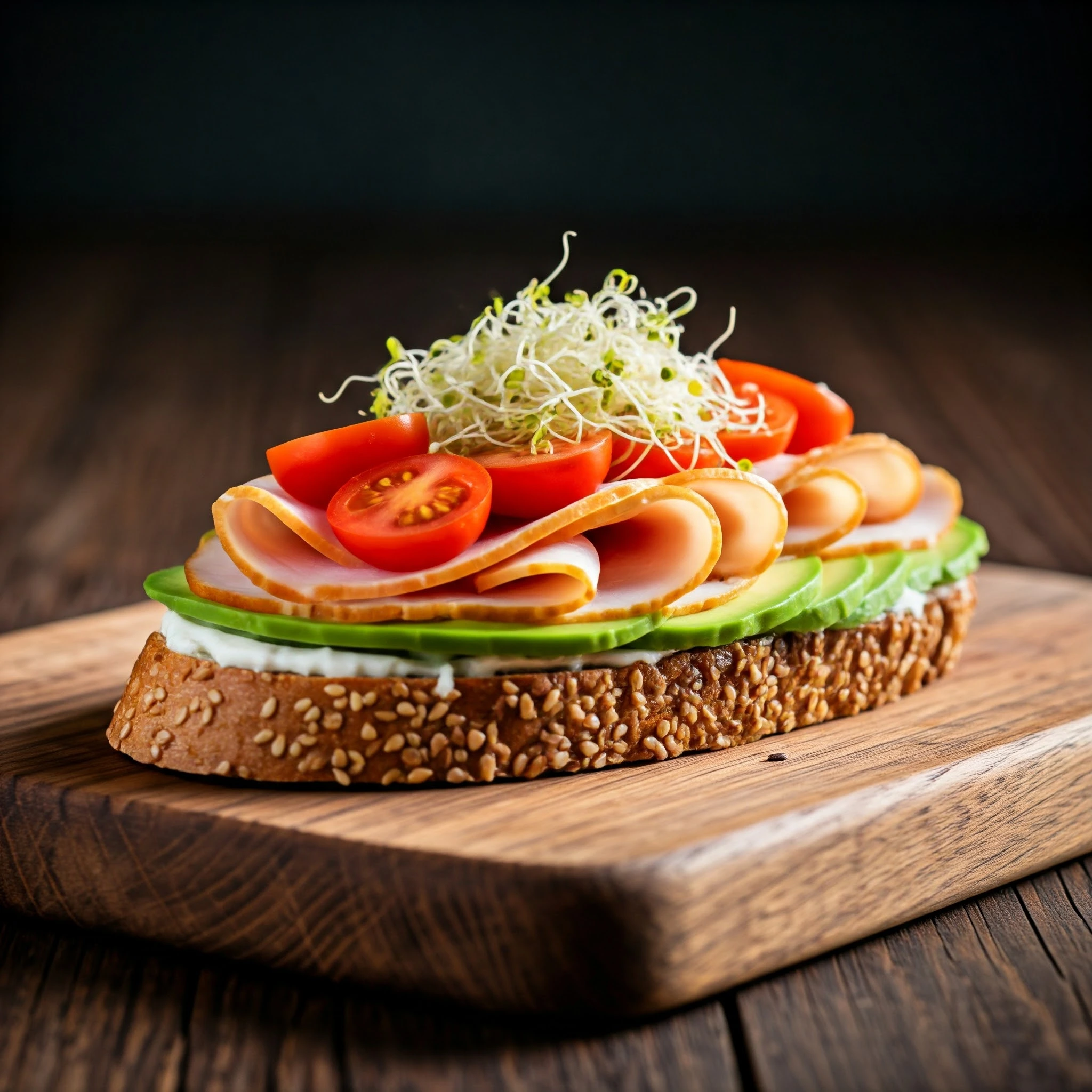
Trying to reduce sodium while keeping sandwiches on the menu? Lunch-meat labels vary widely, and claims such as “reduced sodium” do not tell you the amount in a serving. This guide explains how to compare the numbers on the package and build a sandwich that suits your own dietary needs.
If a clinician has recommended a sodium limit for you, compare the sodium in the meat and the rest of the meal with that advice. Product formulations change, so use the label on the package you are buying.
Table of Contents
Understanding Sodium: What the Label Tells You
The American Heart Association recommends no more than 2,300 mg of sodium per day, moving toward an ideal limit of 1,500 mg for most adults. Individual targets may differ. Use the Nutrition Facts label to compare the sodium in the serving size you actually eat.
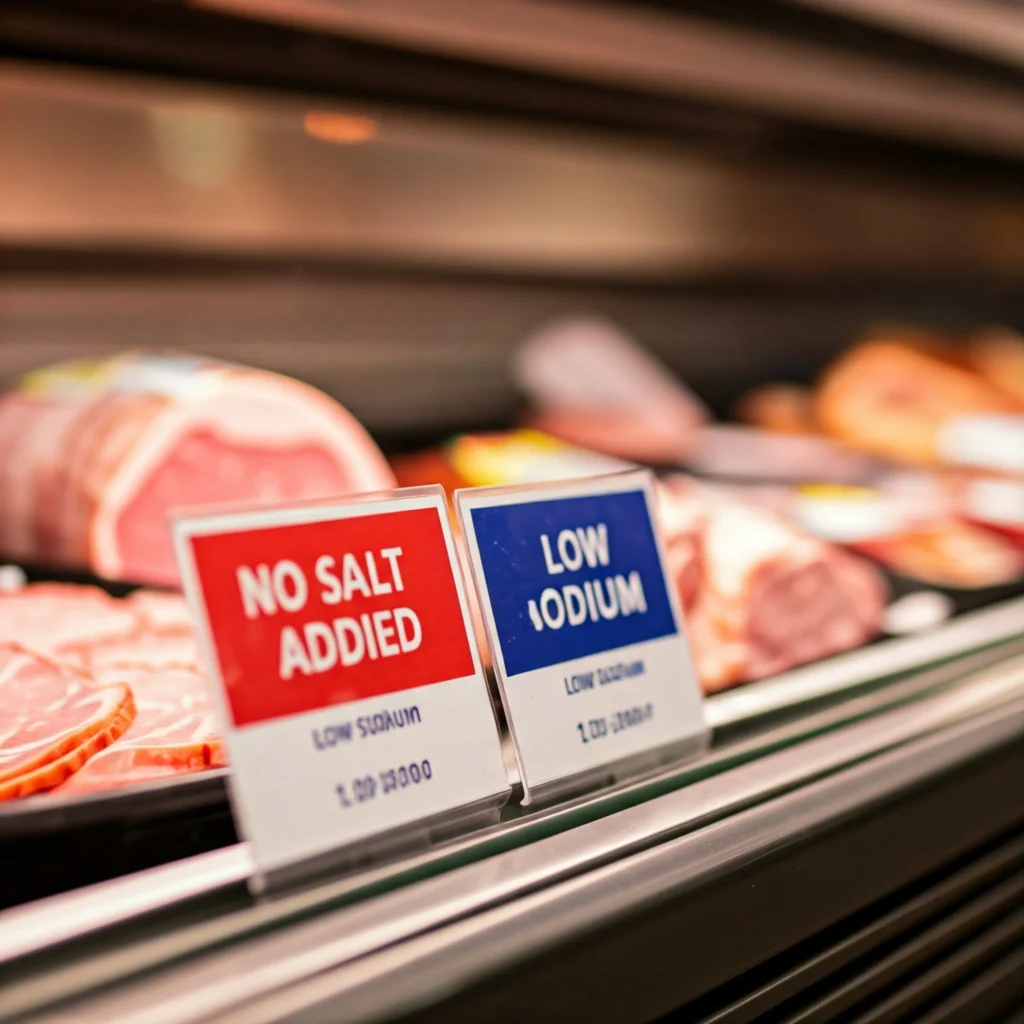
The FDA’s sodium guide explains what “low sodium,” “reduced sodium,” and “no salt added” mean. The distinctions matter when comparing lunch meats.
How to Choose Lower-Sodium Lunch Meat
Check the Nutrition Facts label on the exact package you plan to buy. Product formulations, serving sizes, and availability can change. If buying from a deli counter, ask to see the package or the manufacturer’s current nutrition information before ordering. Compare sodium amounts for the same serving size.
- Low sodium: 140 mg of sodium or less per serving under the FDA’s consumer label guide.
- Reduced sodium: at least 25% less sodium than the regular version; it can still be relatively high in sodium, so check the number of milligrams.
- No salt added: no salt is added during processing; the product is not necessarily sodium-free.
These terms come from the U.S. Food and Drug Administration’s sodium-label guide. Compare more than the front-of-pack wording: bread, cheese, sauces, and pickles also add sodium to a finished sandwich. If a clinician has given you a specific sodium target, use that target when planning a meal.
The earlier version of this article listed brand-name meats with sodium figures that we could not verify against current product labels. Those figures have been removed. Product examples will be added only after checking the manufacturer’s current label and serving size.
Making the Most of Your Low-Sodium Choices
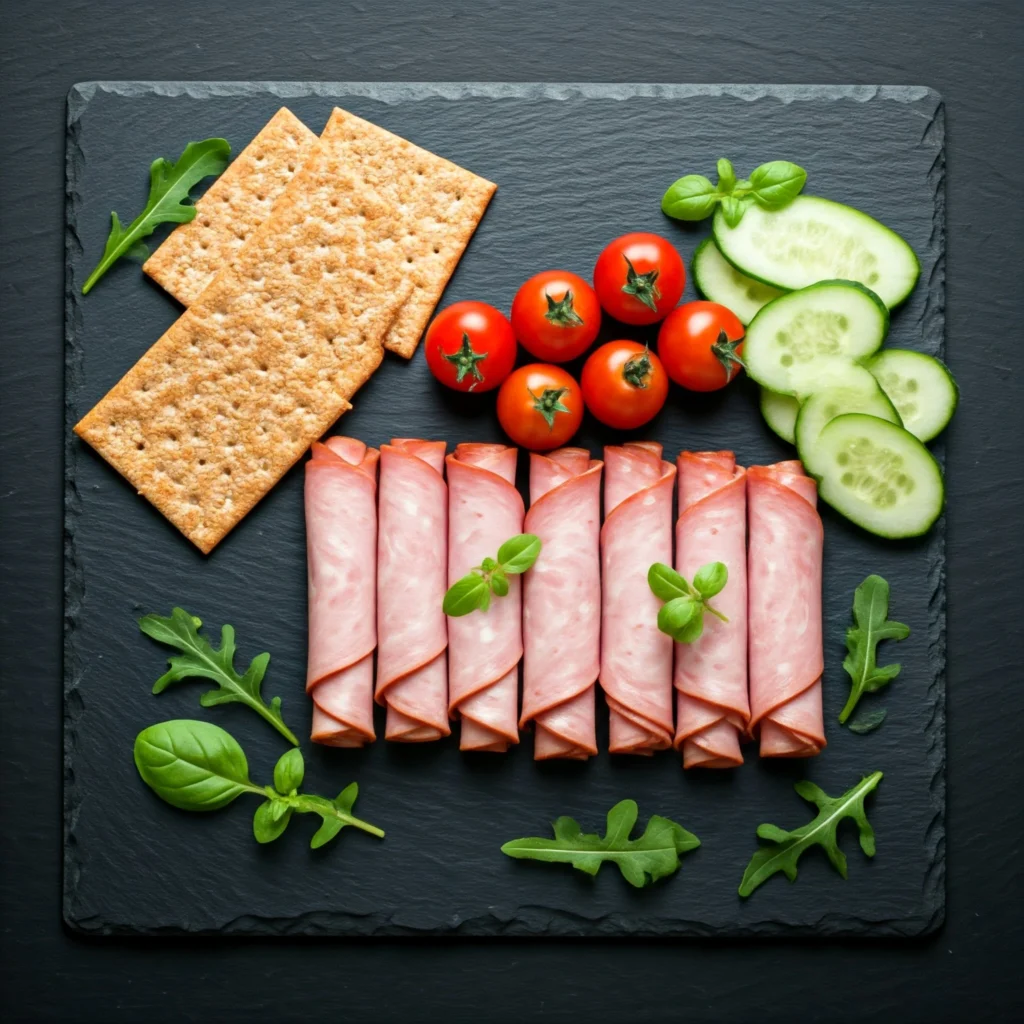
To add flavor without automatically adding more sodium, consider:
- Fresh herbs like basil, cilantro, or dill
- Ripe avocado or guacamole
- Roasted vegetables
- Homemade mustard or low-sodium spreads
- Fresh cucumber or tomato slices
- A drizzle of olive oil and balsamic vinegar
Beyond the Sandwich
Once you’ve found a lunch meat whose label fits your target, you can use it in:
- Protein-packed salads
- Wrapped in lettuce leaves for a low-carb option
- Chopped into whole-grain pasta salads
- Added to breakfast omelets
- Rolled up with cheese for quick snacks
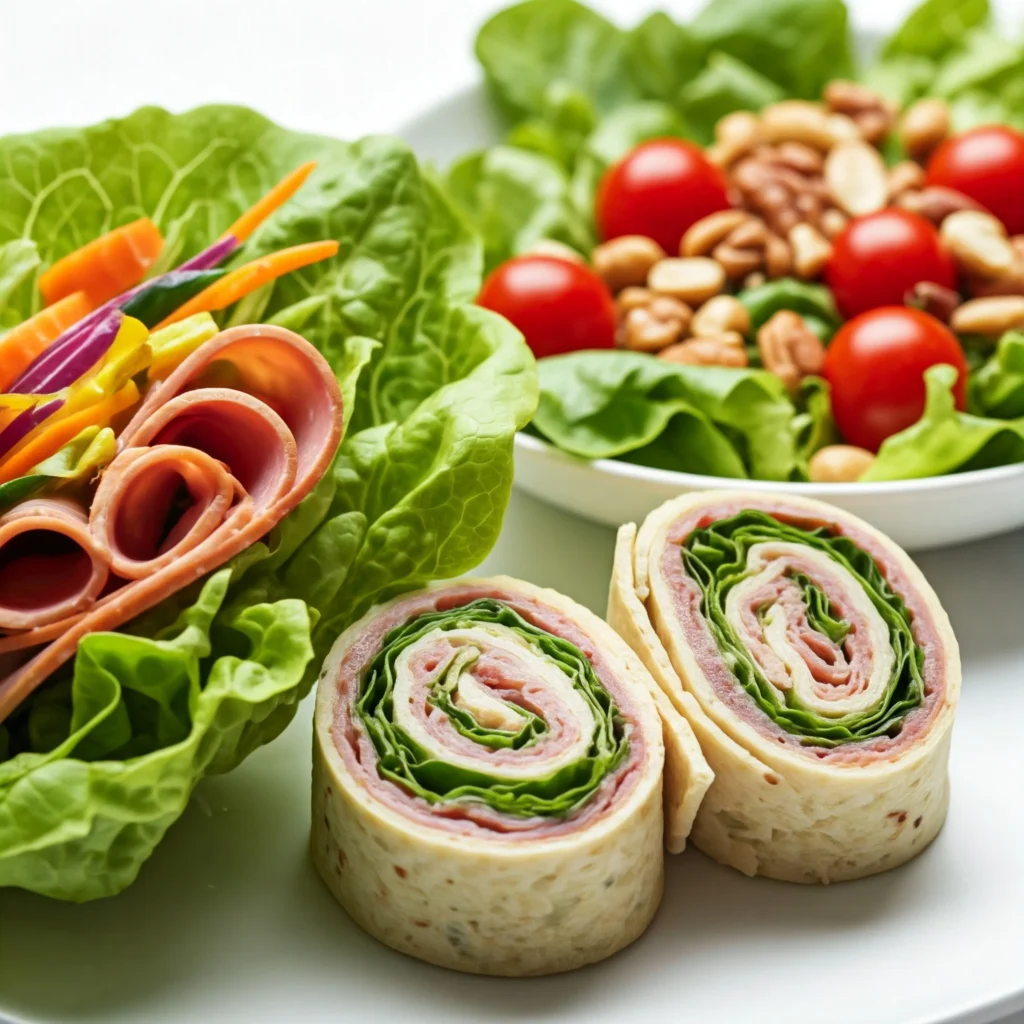
Check the sodium in the whole meal, including bread, cheese, spreads, and sides. For more lunch ideas, see our lunch guide.
Have a question about reading a label or comparing products? Share it in the comments. For a personal sodium target, follow your clinician’s advice.
2 thoughts on “How to Choose Lower-Sodium Lunch Meat: Read the Label”