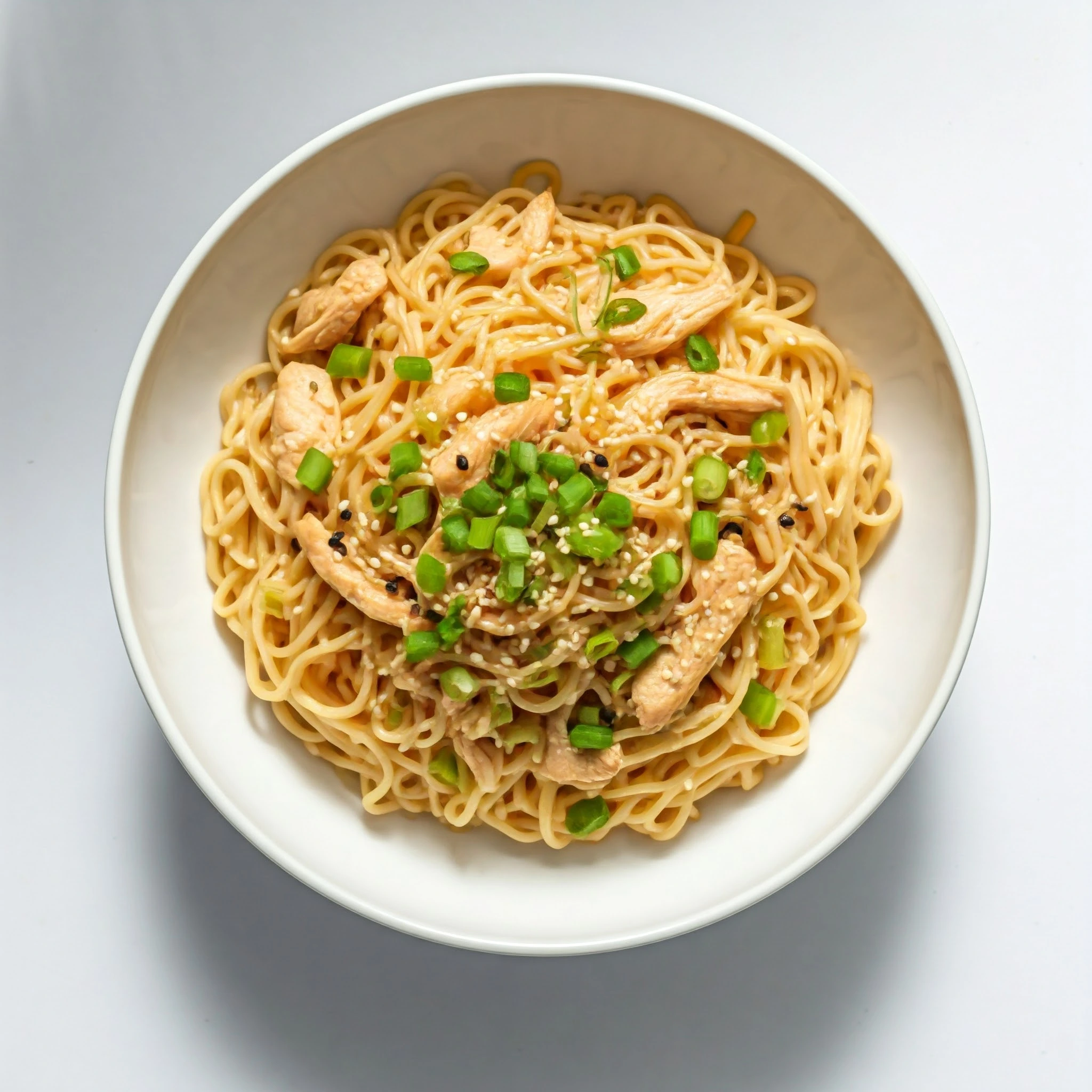
This Asian-inspired chicken noodle salad combines thin egg noodles, cooked chicken, carrots and peppers with a sesame-soy, ginger and rice-vinegar dressing. The aim is cool, separate strands and crisp vegetables with enough dressing to coat them, without a puddle in the bowl. The seasoning draws on several Asian pantry ingredients; this is not presented as a traditional dish from a specific cuisine.
Jump to ingredients · Method · Storage and leftovers
Serves: 6. Estimated prep: 20 minutes. Estimated cooking: 10 minutes, depending on the noodles. Total: about 30 minutes using already cooked, chilled chicken. Optional chilling adds 30 minutes. Cooking and cooling chicken from raw takes additional time.
Choose noodles that hold their texture
Dried thin egg noodles are the baseline for the quantities below. Choose boil-and-drain noodles, not crispy ready-to-eat noodles. Fresh egg noodles contain more water, so a pound of fresh noodles is not a direct replacement for a pound of dried noodles; use the package serving guidance and add dressing gradually.
Spaghetti or thin wheat noodles can work, using their own cooking times. Rice noodles give a different, often more delicate texture: follow the package soaking or cooking instructions, rinse if directed for a cold preparation, drain thoroughly and toss gently. Very fine rice vermicelli can clump, while overcooked rice noodles break easily. Changing only the noodles does not make this recipe gluten-free; soy sauce and other ingredient labels also need checking.
Ingredients
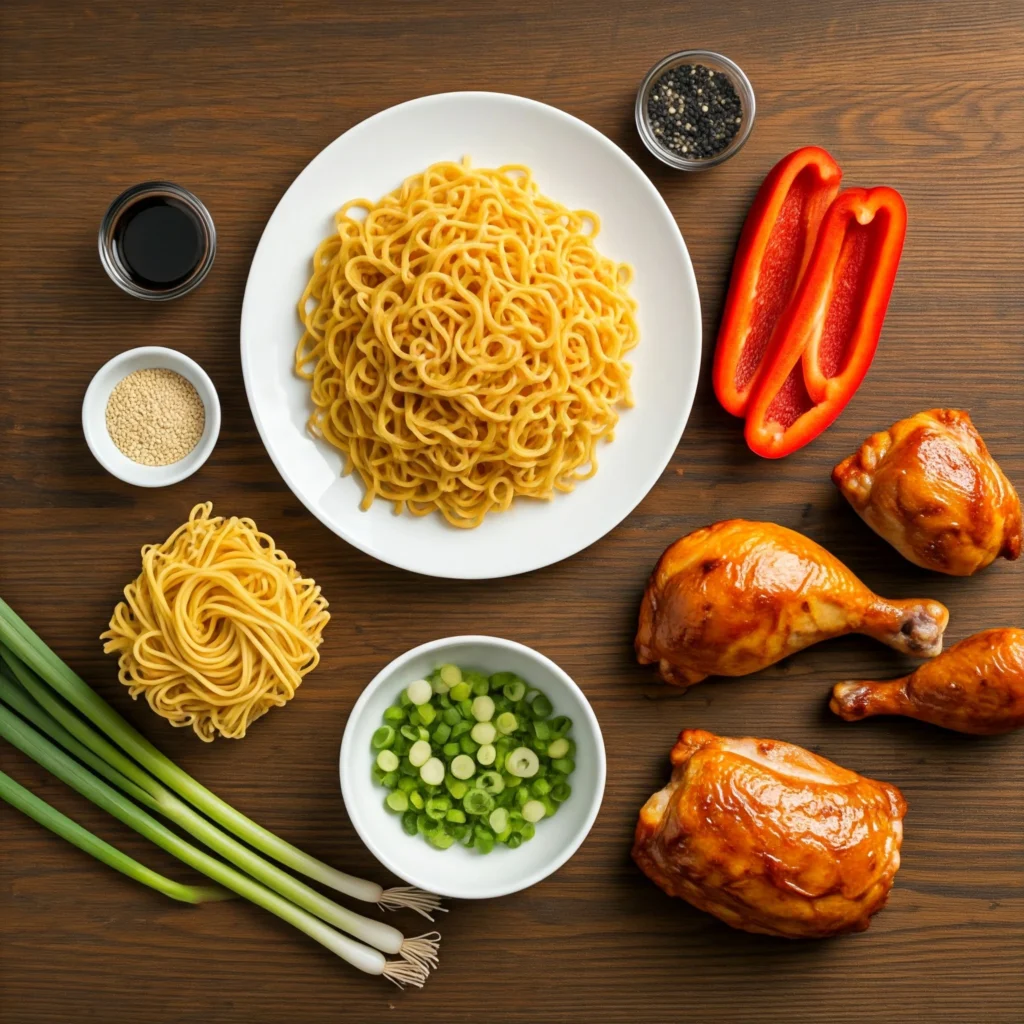
For the salad
- 1 pound (454 g) dried thin egg noodles
- 2 cups cooked chicken, shredded or cut into bite-sized pieces
- 1 red bell pepper, thinly sliced
- 1 red onion, finely chopped
- 4 green onions, chopped
- 1 cup shredded carrots
- 1/2 cup fresh cilantro, chopped
For the dressing and finish
- 1/4 cup soy sauce (reduced-sodium if preferred)
- 3 tablespoons sesame oil (see the toasted-oil adjustment below)
- 2 tablespoons unseasoned rice vinegar
- 1 tablespoon honey
- 2 cloves garlic, minced
- 1 tablespoon fresh ginger, grated
- 2 tablespoons sesame seeds, to finish
Sesame-oil balance: plain sesame oil and dark toasted sesame oil have different intensities. The original 3-tablespoon measure is retained, with a milder option of 1 tablespoon toasted sesame oil plus 2 tablespoons neutral oil. Do not automatically add more toasted oil when the salad dries out; it adds aroma and richness but does not replace the water the noodles have absorbed.
Soy and chicken: rotisserie chicken may already be salty. Reduced-sodium soy sauce gives you more room to adjust, but taste the dressed noodles before adding any extra salt. Use unseasoned rice vinegar so added sugar and salt in seasoned vinegar do not change the balance.
This recipe contains wheat, egg, soy and sesame unless suitable substitutes are used. Check all ingredient labels when cooking for someone with allergies.
How to make chicken noodle salad
1. Cook, rinse and drain the noodles
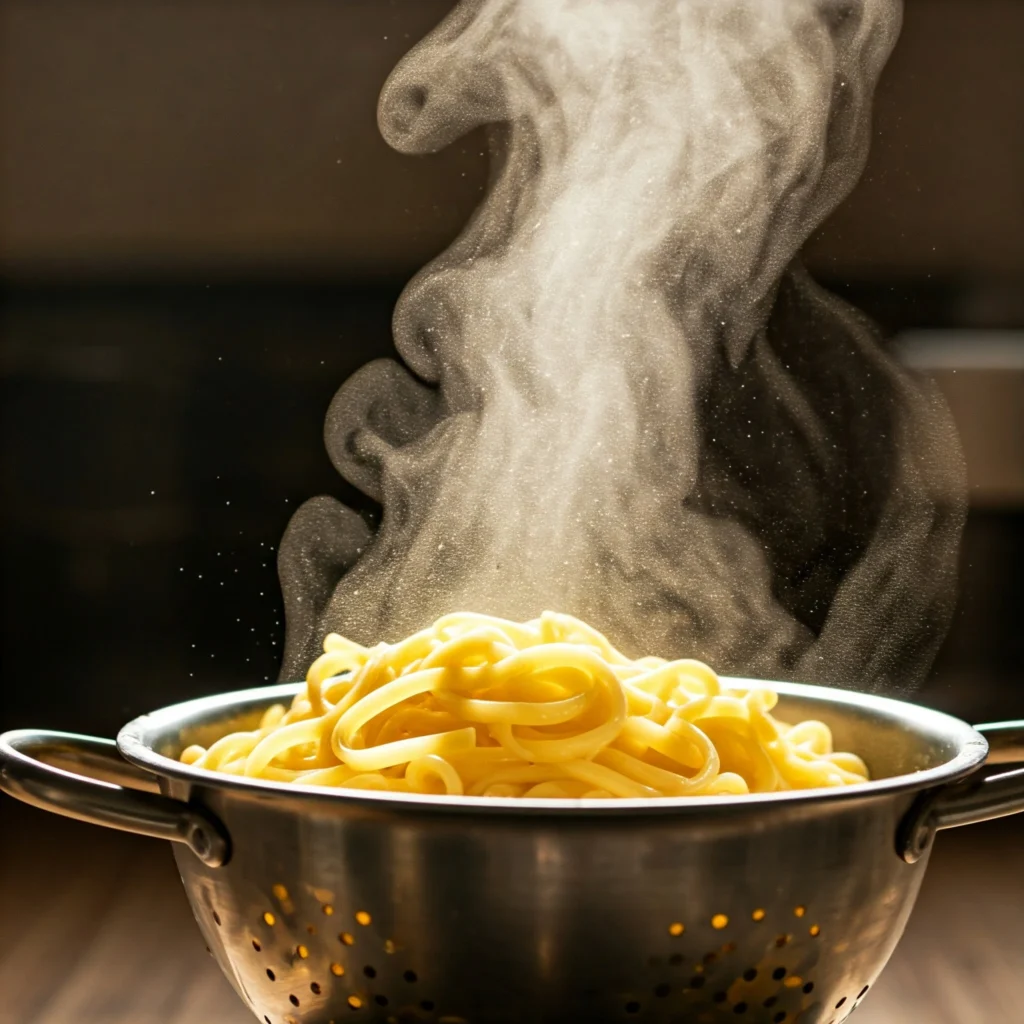
Bring a large pot of water to a boil and cook the noodles according to their package directions. Taste a strand near the end: it should be tender through the center with a little resistance, not chalky or soft enough to fall apart. Drain and rinse under cold running water, gently lifting the strands, until cool. Shake the colander, then let the noodles drain while you prepare the other ingredients. Toss and shake again; there should be no steady dripping before they go into the mixing bowl.
2. Dry and cut the vegetables
Wash and thoroughly dry the pepper, green onions and cilantro. Slice the pepper into thin, bite-sized strips, finely chop the red onion and green onions, and shred the carrots. For a milder raw-onion flavor, rinse the chopped red onion briefly in cold water, then drain and pat it dry. Keep the cooked chicken refrigerated until assembly. Set aside the cilantro and green onions for the final toss.
3. Whisk and balance the dressing
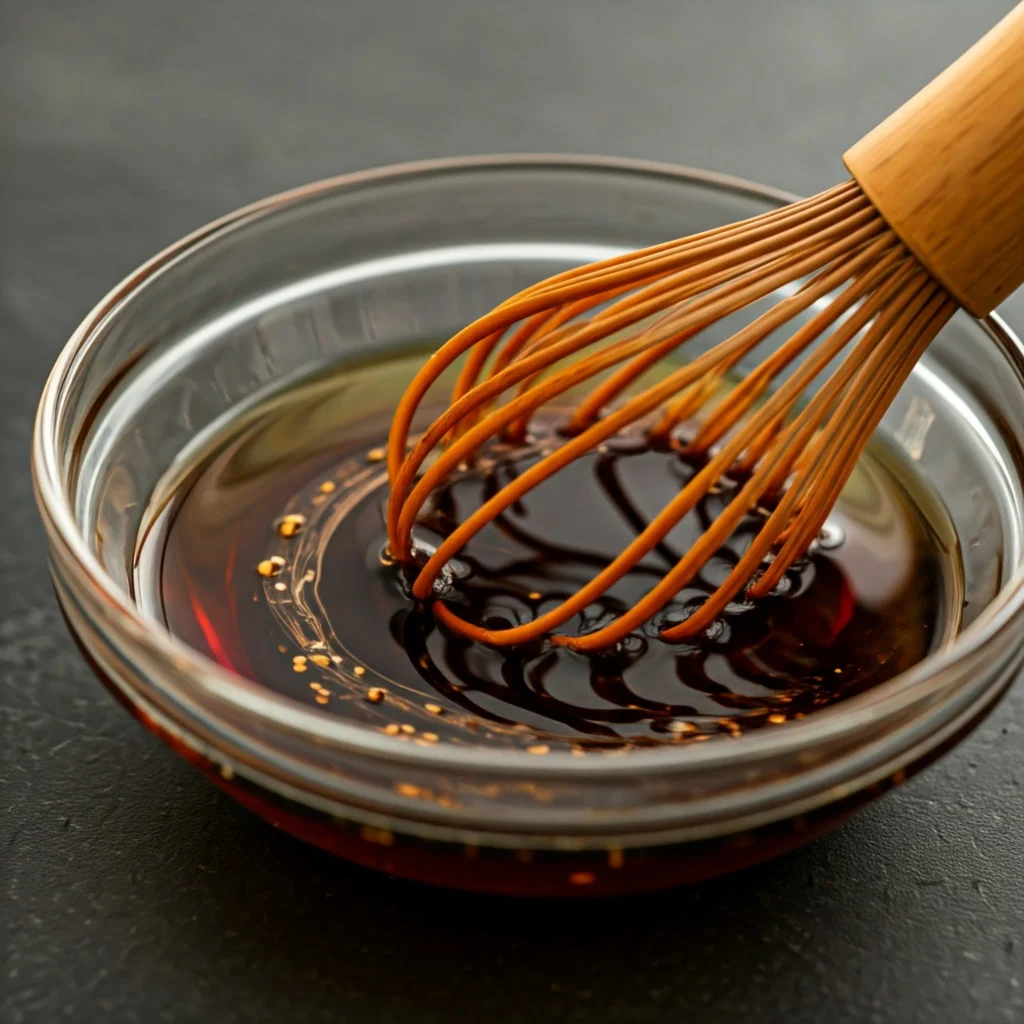
Whisk the soy sauce, sesame oil, rice vinegar and honey until the honey dissolves, then whisk in the garlic and ginger. If using strongly flavored toasted sesame oil, start with 1 tablespoon toasted sesame oil plus 2 tablespoons neutral oil instead of the full 3 tablespoons sesame oil. Taste the dressing on a few cooled noodles with a piece of chicken, rather than judging it straight from the bowl. Add rice vinegar 1 teaspoon at a time if it needs brightness, or honey 1/2 teaspoon at a time if it tastes too sharp. Add soy sauce only after tasting the seasoned chicken and noodles together.
4. Dress, toss and serve
Put the cool, thoroughly drained noodles, chicken, pepper, red onion and carrots in a large bowl. Whisk the dressing again and toss most of it through the salad, reserving about 2 tablespoons separately. Lift and turn the noodles with tongs to distribute the vegetables without breaking the strands. Fold in the green onions and cilantro, then sprinkle with the sesame seeds. Taste and add the reserved dressing as needed. Serve immediately, or cover and refrigerate for an optional 30 minutes; if chilling, hold the herbs, green onions and sesame seeds until serving and toss again before adding the reserved dressing.
For a different dressing variation, see the sesame-ginger Asian salad dressing recipe. Use it in place of this dressing and add gradually, rather than combining two full batches.
Keep the dressing from turning watery
Rinsing is useful here because the noodles are served cold: it cools them and removes some loose surface starch. The next step matters just as much. Water trapped between the strands dilutes the dressing, so lift and shake them in the colander and check underneath before mixing. Dry washed vegetables and herbs; if you add cucumber, remove its watery seed center and pat the pieces dry.
Dress only once the noodles are cool and well drained. Warm noodles soften the raw vegetables, and wet noodles shed water into the bowl. If liquid is already pooling, lift the salad into a clean bowl, leaving the excess behind, then taste a bite before adding any more seasoning. More soy sauce will make it saltier without fixing the excess moisture.
When to dress it: now or ahead
Serving now: toss the cool noodles with most of the dressing, then add the fresh herbs and finish. No mandatory chilling is needed.
Serving later the same day: lightly dress the noodles, cover and refrigerate promptly, and keep the reserved dressing and finishing ingredients separate. Noodles continue taking up liquid while chilled, so the salad can taste drier and less bright later. Toss and taste again just before serving.
Preparing a day ahead: store the drained noodles, chicken, dry vegetables and dressing separately in covered containers in the refrigerator. A small amount of the measured dressing can help separate sticky noodles. Add the remaining dressing and delicate herbs close to serving. This preserves more crunch than storing everything fully dressed; the salad is not automatically better the next day.
Storage and refreshing leftovers
Refrigerate promptly in covered, shallow containers at 40°F (4°C) or below. FoodSafety.gov gives chicken salads a refrigerated limit of 3–4 days. For this salad, plan to use it within 3 days, and sooner if the chicken is already a leftover. Making the salad does not restart the cooked chicken’s storage clock.
For transport, keep the salad cold in an insulated cooler with ice packs. USDA advises discarding perishable food left out more than 2 hours, or 1 hour above 90°F (32°C). Keep the salad refrigerated until serving.
To refresh a chilled portion: gently loosen the strands with tongs and try 1 teaspoon of cold water at a time if they are dry or stuck together. Toss, then add a little reserved dressing if the flavor needs it. If it is already salty enough but tastes flat, try a few drops of rice vinegar instead of more soy sauce. Finish with fresh cilantro or green onion if available. Extra sesame oil alone can make the salad oily and overpower the ginger.
Noodles and raw vegetables lose texture after freezing, so freezing the assembled salad is not recommended. Refreshing changes texture and flavor only; it cannot make improperly stored leftovers safe.
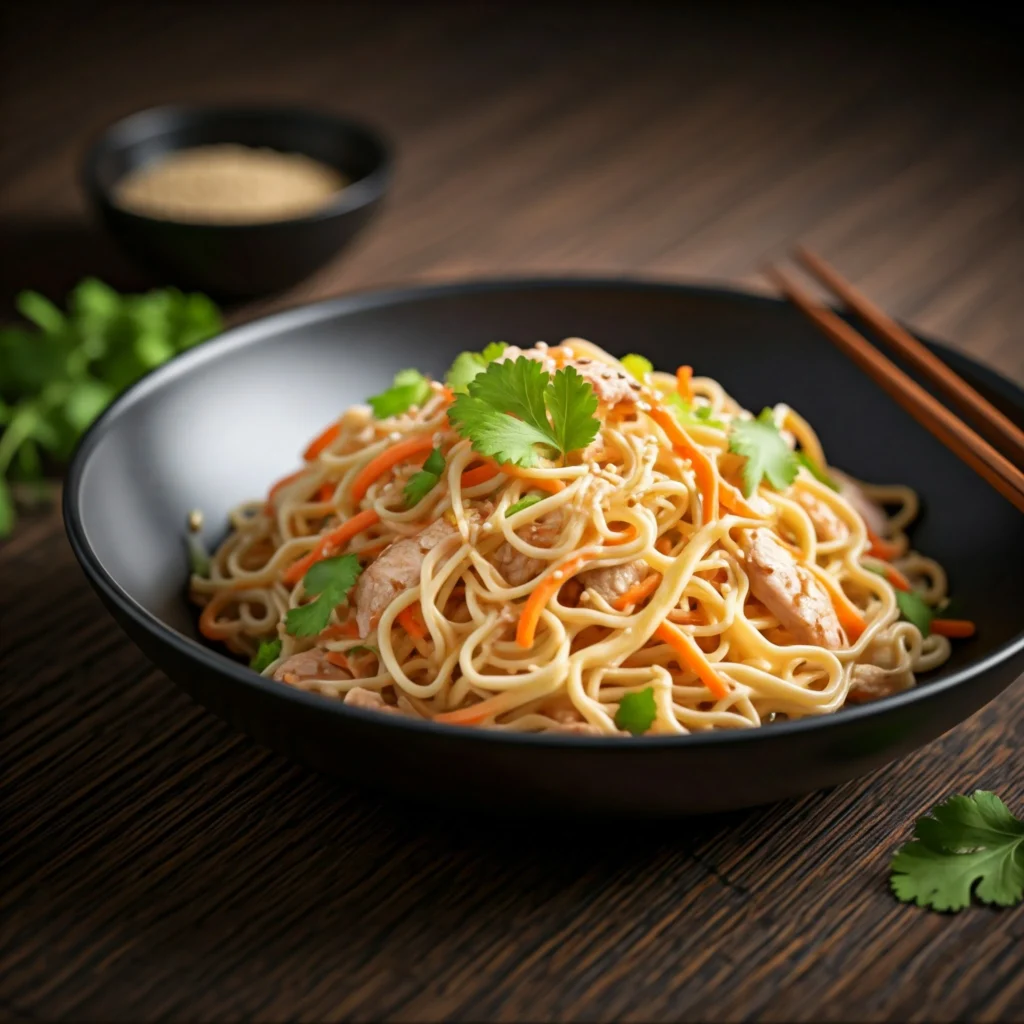
If you make this salad, share which noodles you used and any adjustments in the comments.
2 thoughts on “Asian-Inspired Chicken Noodle Salad with Sesame-Soy Dressing”